
CNshopper Finds
Spreadsheet
OVER 5000+
WITH QC PHOTOS
Click the images below to browse!



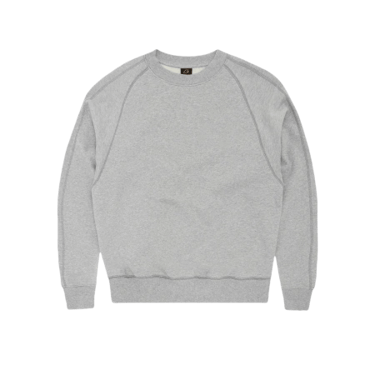
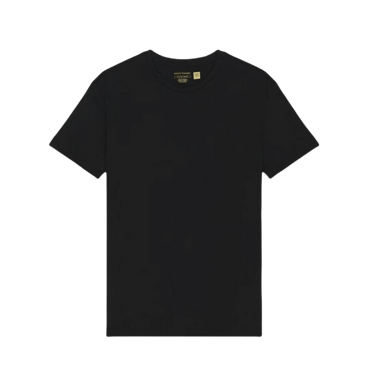
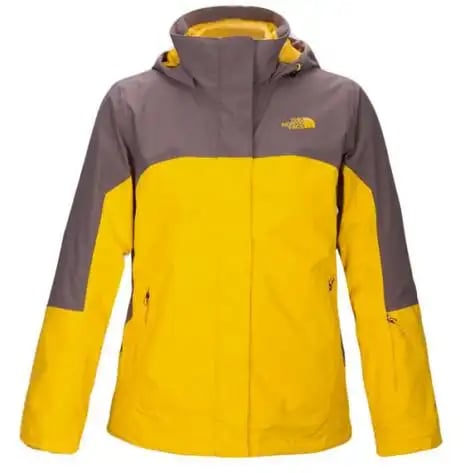


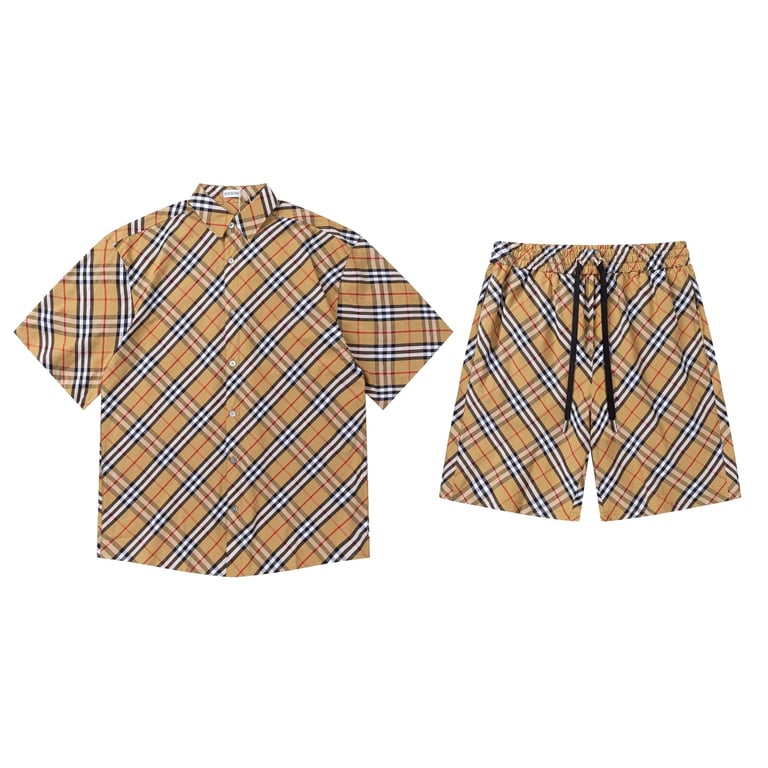
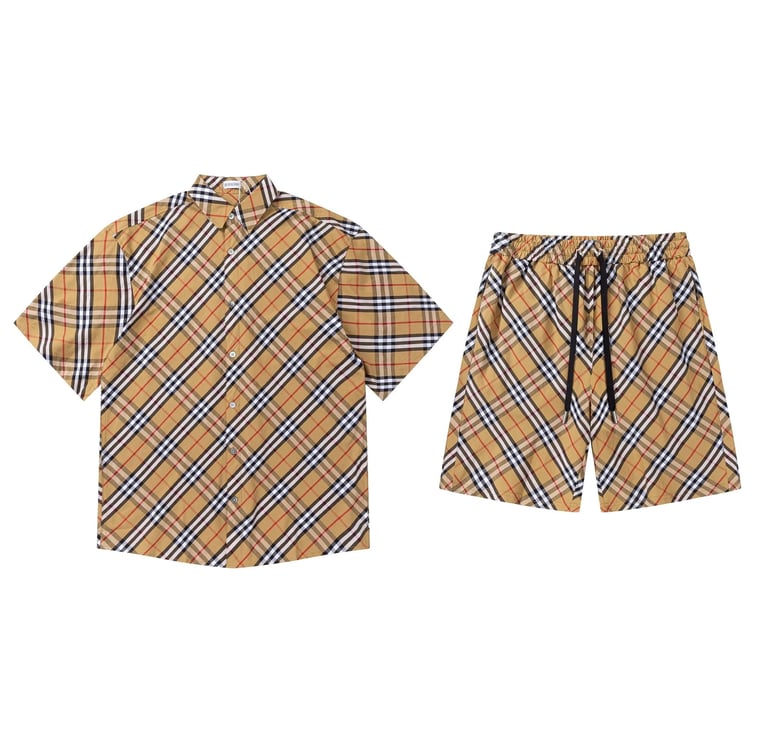
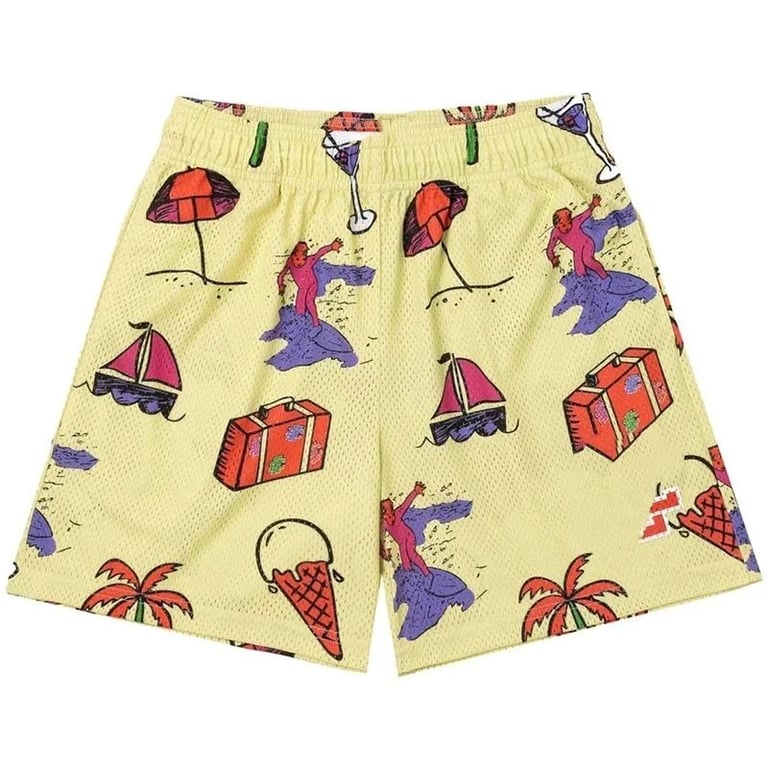
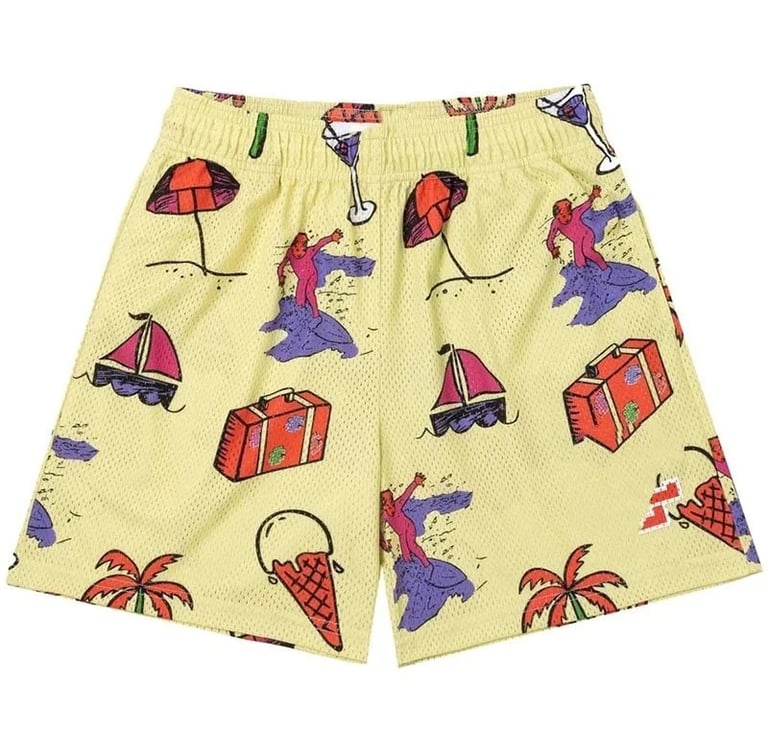
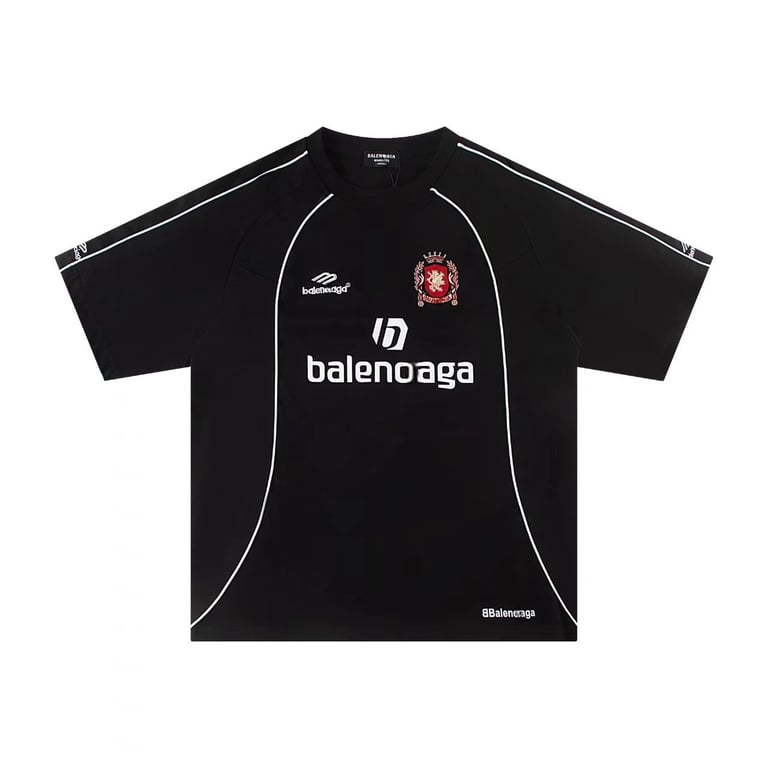
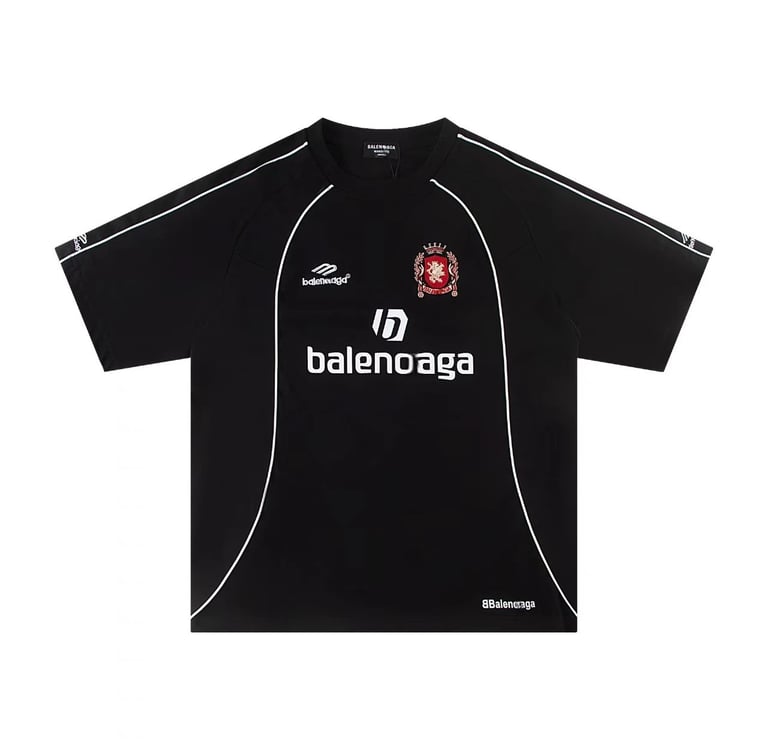



How micro-store products are organized in CNshopper spreadsheet
Micro-store sourcing has become an important part of cross-border ecommerce because it offers fast product turnover, unique listings, and flexible supply options. However, the same flexibility also creates a serious problem: information is scattered, inconsistent, and difficult to compare across different stores. Without a structured system, users often spend more time searching than actually sourcing.
The CNshopper spreadsheet is designed to solve this issue by transforming fragmented micro-store listings into an organized product structure. Instead of treating each micro store as an independent and isolated source, the system consolidates and standardizes product information into a unified framework that supports faster decision-making.
This article explains how micro-store products are organized inside the CNshopper spreadsheet, focusing on structure logic, grouping methods, and sourcing usability.
Why micro-store product organization is necessary
Micro stores operate very differently from large wholesale platforms. Their characteristics include:
Frequent product updates and replacements
Non-standardized naming conventions
Overlapping or duplicated product types across stores
Inconsistent pricing structures
Limited but highly diverse inventory
Because of these factors, browsing micro-store products individually leads to inefficiency and confusion. Users may see the same product in multiple variations without realizing they are related, or miss better alternatives simply because listings are not connected.
The CNshopper spreadsheet solves this by introducing structure where none naturally exists.
Step 1: Standardizing scattered product data
The first step in organizing micro-store products in the CNshopper spreadsheet is data standardization.
Instead of allowing each micro store to define its own naming style, the system restructures product information into unified formats by:
Aligning similar product names into consistent labels
Removing redundant or duplicated naming variations
Normalizing product descriptions into simplified identifiers
Grouping equivalent items under shared structures
This creates a clean baseline where users can compare products without being confused by inconsistent naming conventions.
Standardization is the foundation of all further organization steps.
Step 2: Grouping similar products across multiple micro stores
Once data is standardized, the CNshopper spreadsheet begins grouping similar products together.
This grouping is based on:
Functional similarity (same usage purpose)
Visual similarity (design or appearance)
Structural similarity (material or build type)
Usage scenario overlap
For example, multiple micro stores may list slightly different versions of a storage container or accessory set. Instead of treating them separately, the system groups them into one comparable product cluster.
This allows users to evaluate options side-by-side instead of browsing them separately.
Step 3: Creating structured product clusters
Unlike traditional catalogs that list products individually, the CNshopper spreadsheet organizes micro-store items into clusters.
Each cluster represents:
A core product concept
Multiple supplier variations of that concept
Different pricing and packaging options
Minor design or functional differences
This structure helps users understand the full market landscape of a product category rather than focusing on isolated listings.
It also reveals how widely a product is distributed across different micro stores.
Step 4: Identifying product relationships and overlaps
Micro-store products often overlap heavily, with different sellers offering nearly identical items under different names or branding.
The CNshopper spreadsheet identifies these relationships by:
Detecting repeated product patterns across listings
Mapping similarity between product variations
Highlighting duplicate or near-duplicate items
Connecting related listings into unified groups
This reduces confusion and prevents users from mistakenly treating identical products as separate opportunities.
It also improves sourcing efficiency by reducing redundant evaluation work.
Step 5: Structuring products based on sourcing behavior
Beyond physical characteristics, micro-store products are also organized based on sourcing behavior inside the CNshopper spreadsheet.
Common behavioral categories include:
Fast-turnover products that change frequently
Stable listings with consistent availability
Trend-sensitive items that appear in bursts
Limited-supply niche products with irregular updates
This behavioral classification helps users understand not just what a product is, but how it behaves in the supply ecosystem.
Behavioral structure is especially important in micro-store environments where product lifecycles are short.
Step 6: Normalizing pricing differences across stores
Pricing in micro stores is highly inconsistent due to competition, packaging differences, and listing strategies.
The CNshopper spreadsheet organizes pricing by:
Converting scattered prices into comparable ranges
Highlighting price deviations within the same product cluster
Separating base cost from variation-based pricing differences
Identifying stable vs unstable pricing behavior
This allows users to evaluate true cost structure instead of reacting to individual listings.
Pricing normalization makes comparison meaningful and actionable.
Step 7: Preparing data for direct validation using CNshopper links
Once products are organized inside the CNshopper spreadsheet, they are prepared for validation through CNshopper links.
While the spreadsheet provides structure, the links provide execution by allowing users to:
Open original micro-store product pages
Verify real-time availability
Check full variation sets directly in supplier environments
Compare multiple sources for the same product cluster
This ensures that structured data can be immediately tested in real sourcing conditions.
Common mistakes in micro-store product evaluation
Without structured organization, users often make several mistakes:
Treating similar products as completely different items
Overvaluing isolated listings without comparison context
Ignoring hidden product relationships across stores
Misinterpreting pricing differences as value differences
Browsing without structured grouping logic
The CNshopper spreadsheet is specifically designed to eliminate these issues.
Practical workflow for using CNshopper spreadsheet in micro-store sourcing
A structured workflow includes:
Scan micro-store listings inside CNshopper spreadsheet
Identify standardized product categories
Review grouped product clusters
Compare similar items across multiple stores
Analyze pricing consistency and variation structure
Select target product cluster
Validate using CNshopper links
This workflow transforms chaotic browsing into structured decision-making.
Conclusion
The CNshopper spreadsheet organizes micro-store products by standardizing data, grouping similar listings, identifying product relationships, and structuring pricing behavior into a unified system. Instead of dealing with fragmented and inconsistent micro-store data, users gain a clear and comparable sourcing framework.
When combined with CNshopper links, this system connects structured organization with real-time validation, enabling faster and more accurate micro-store product sourcing decisions.


CNshopper links for direct access to micro-store items
Micro-store sourcing is often fragmented, fast-changing, and difficult to navigate because products are spread across many small sellers with inconsistent listings. Even when a good product is identified, the biggest challenge is usually not discovery—but access. Users still need to locate the exact supplier page, verify availability, and compare variations manually, which slows down the entire sourcing process.
The CNshopper links system is designed to eliminate this friction by creating direct access pathways from structured product data inside the CNshopper spreadsheet to micro-store product pages. Instead of searching repeatedly across different stores, users can enter the supplier environment immediately with a single action, significantly improving sourcing efficiency.
This article explains how CNshopper links enable direct access to micro-store items and how they improve sourcing speed, validation accuracy, and overall workflow efficiency.
Why direct access matters in micro-store sourcing
Micro-store ecosystems are highly dynamic. Products can:
Appear and disappear quickly
Change pricing without notice
Be duplicated across multiple sellers
Have inconsistent naming and categorization
Because of this, even if a product is identified in a spreadsheet, manual access through search engines or platform browsing often leads to inefficiency or wrong listings.
Direct access via CNshopper links solves this by connecting users straight to verified product sources, removing unnecessary navigation steps.
Step 1: Moving from structured data to direct supplier entry
Inside the CNshopper spreadsheet, each product entry is connected to a corresponding CNshopper links pathway.
Instead of:
Searching product names again on micro-store platforms
Filtering through unrelated listings
Guessing which supplier is correct
Users simply use the link to:
Open the exact product page
Skip keyword-based navigation entirely
Avoid duplicated or irrelevant results
This creates a direct transition from data layer → supplier layer.
Step 2: Reducing navigation friction in sourcing workflows
Traditional micro-store sourcing requires multiple steps:
Identify product
Search manually
Open multiple listings
Compare suppliers
Verify details separately
With CNshopper links, steps 2 and 3 are removed entirely.
Users go directly from identification to product environment, which significantly reduces friction in the sourcing workflow.
This is especially important when handling multiple products or fast-moving sourcing opportunities.
Step 3: Enabling real-time product verification
Once inside the supplier page through CNshopper links, users can immediately verify:
Whether the product is still available
Whether pricing has changed
Full variation options (size, color, packaging)
Stock availability and constraints
This ensures that decisions are based on live supplier data rather than static spreadsheet information.
Micro-store environments change frequently, so real-time verification is critical for accuracy.
Step 4: Supporting multi-source comparison without repeated search
Many micro-store products are listed by multiple sellers. Without structured access, comparing them requires repeated searches.
With CNshopper links, users can:
Open multiple supplier pages quickly
Compare identical or similar products side by side
Evaluate pricing differences instantly
Check variation completeness across sellers
This creates a parallel comparison workflow instead of a sequential one, significantly improving decision speed.
Step 5: Improving sourcing speed through click-based access
Speed is one of the most important advantages of CNshopper links.
Instead of spending time:
Typing search queries
Filtering irrelevant results
Re-opening multiple pages
Users rely on click-based navigation to reach supplier pages instantly.
This reduces sourcing latency and allows faster reaction to product opportunities, especially in competitive categories where timing matters.
Step 6: Strengthening accuracy in product selection
Direct access not only improves speed but also improves accuracy.
By using CNshopper links, users avoid:
Incorrect product matches from keyword search
Duplicate listings that look similar but are different suppliers
Outdated entries that no longer reflect real availability
This ensures that every sourcing decision is based on verified supplier-level information rather than assumptions.
Step 7: Integrating CNshopper links with spreadsheet logic
The real strength of the system comes from combining structured data with direct access.
The CNshopper spreadsheet provides:
Product grouping and categorization
Supplier relationship mapping
Pricing and variation structure
Sourcing behavior signals
The CNshopper links provide:
Direct execution path to suppliers
Real-time validation environment
Multi-source comparison access
Together, they form a two-layer system:
Structured discovery layer (spreadsheet)
Direct access and validation layer (links)
This reduces fragmentation in the entire sourcing process.
Common mistakes without direct access systems
Without CNshopper links, users often:
Rely on repeated manual searches
Open incorrect or outdated listings
Waste time navigating unrelated pages
Compare suppliers inconsistently
Lose opportunities due to slow validation
These inefficiencies accumulate quickly in high-volume sourcing workflows.
Practical workflow using CNshopper links
A structured workflow looks like this:
Identify product in CNshopper spreadsheet
Review product grouping and supplier structure
Select target item
Open supplier using CNshopper links
Verify real-time pricing and availability
Compare alternative suppliers
Confirm sourcing decision
This workflow minimizes unnecessary steps and maximizes sourcing efficiency.
Conclusion
The CNshopper links system enables direct access to micro-store items by removing manual search steps, reducing navigation friction, and providing real-time supplier validation. When integrated with the CNshopper spreadsheet, it creates a complete sourcing workflow from structured discovery to direct execution.
In fast-moving micro-store environments, speed and accuracy determine success. This system ensures users can access, verify, and compare products efficiently, turning fragmented sourcing into a streamlined and controlled process.